
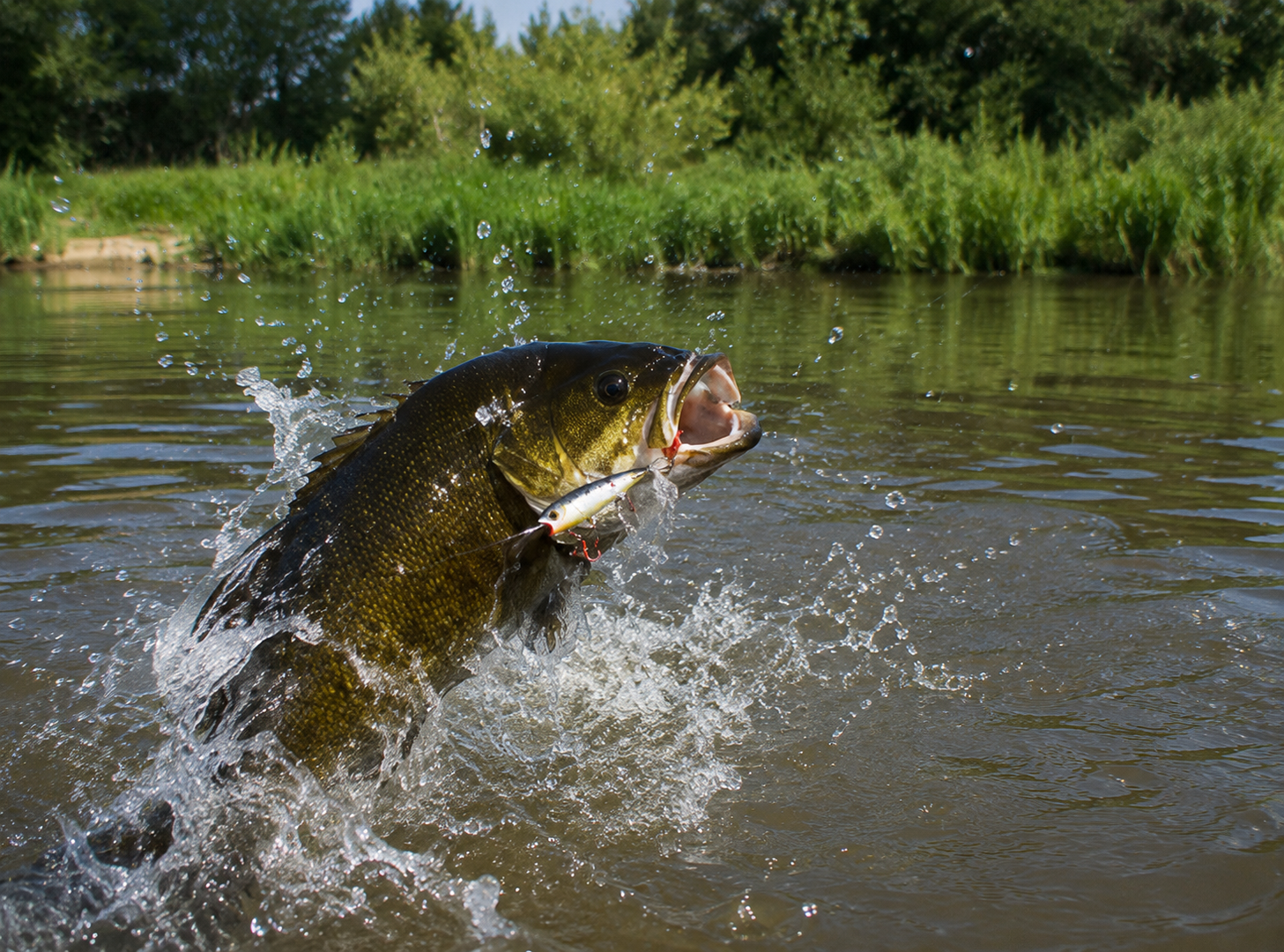
Bass Fishing on the Delta
LAUNCH FROM WHISKEY SLOUGH. EXPLORE ONE OF CALIFORNIA’S MOST COMPLEX FISHERIES.
The Sacramento-San Joaquin Delta is a sprawling network of rivers, sloughs, cuts, islands and tidal water. Whiskey Slough puts anglers directly into that system, with access from the marina into the surrounding South Delta waterways.
The Delta
Fishing Guide
A growing resource for anglers, built from local knowledge and on-the-water experience. Explore where to fish, what to fish for, when to go and how to make the most of your time on the Delta.
-
The California Delta is a maze of sloughs, cuts, channels and flooded islands, which is exactly what makes it such interesting bass water.
From Whiskey Slough, anglers can work into the surrounding South Delta and look for the kinds of cover largemouth use throughout the system, including submerged vegetation, rocky banks, docks, wood and other structure. Rather than chasing a single “spot,” learn the water, watch how current moves through it and pay attention to where cover and structure come together.
CDFW identifies vegetation, fallen trees, docks and rocky shorelines as common bass-holding structure.
-
Largemouth bass are the focus here.
Bass are ambush predators, so much of Delta fishing comes down to finding productive cover and figuring out how fish are relating to it that day. Soft plastics, spinnerbaits, chatterbaits, crankbaits, jerkbaits and topwater presentations are all recognized by CDFW as common approaches for largemouth bass.
The right choice depends on the water and conditions in front of you, not simply what worked last trip.
-
Bass don't use the same water the same way all year. CDFW notes that seasonal patterns can move bass shallower in spring, toward deeper or shaded water during summer, and into heavier feeding patterns in fall. On the Delta, anglers also have another moving variable to watch: the tide.
Checking the Whiskey Slough tide before launching gives you the day's predicted highs and lows and helps you understand how water will be moving while you're fishing.
-
There isn't one way to fish the Delta. Largemouth can relate to submerged vegetation, rocky shoreline, docks, fallen trees and other available cover, and those patterns can change with season and conditions. That makes versatility valuable.
CDFW lists everything from soft plastics and reaction baits to crankbaits, jerkbaits and topwater among common bass presentations. Start with the conditions in front of you, identify the available cover and adjust until the fish tell you what matters.
-
Before launching, check the current California freshwater fishing regulations and make sure you have the appropriate fishing license.
Don't rely on an old screenshot, saved PDF or last season's rules. CDFW specifically advises anglers to check its regulations page for updated versions because regulations may be revised during the year.
Explore the South Delta
From Whiskey Slough, anglers have access to the surrounding South Delta and its network of sloughs, cuts and channels. Get familiar with the waterways before you launch and use the California Delta Recreational Boating Map to explore the larger system.

FEATURED SPECIES
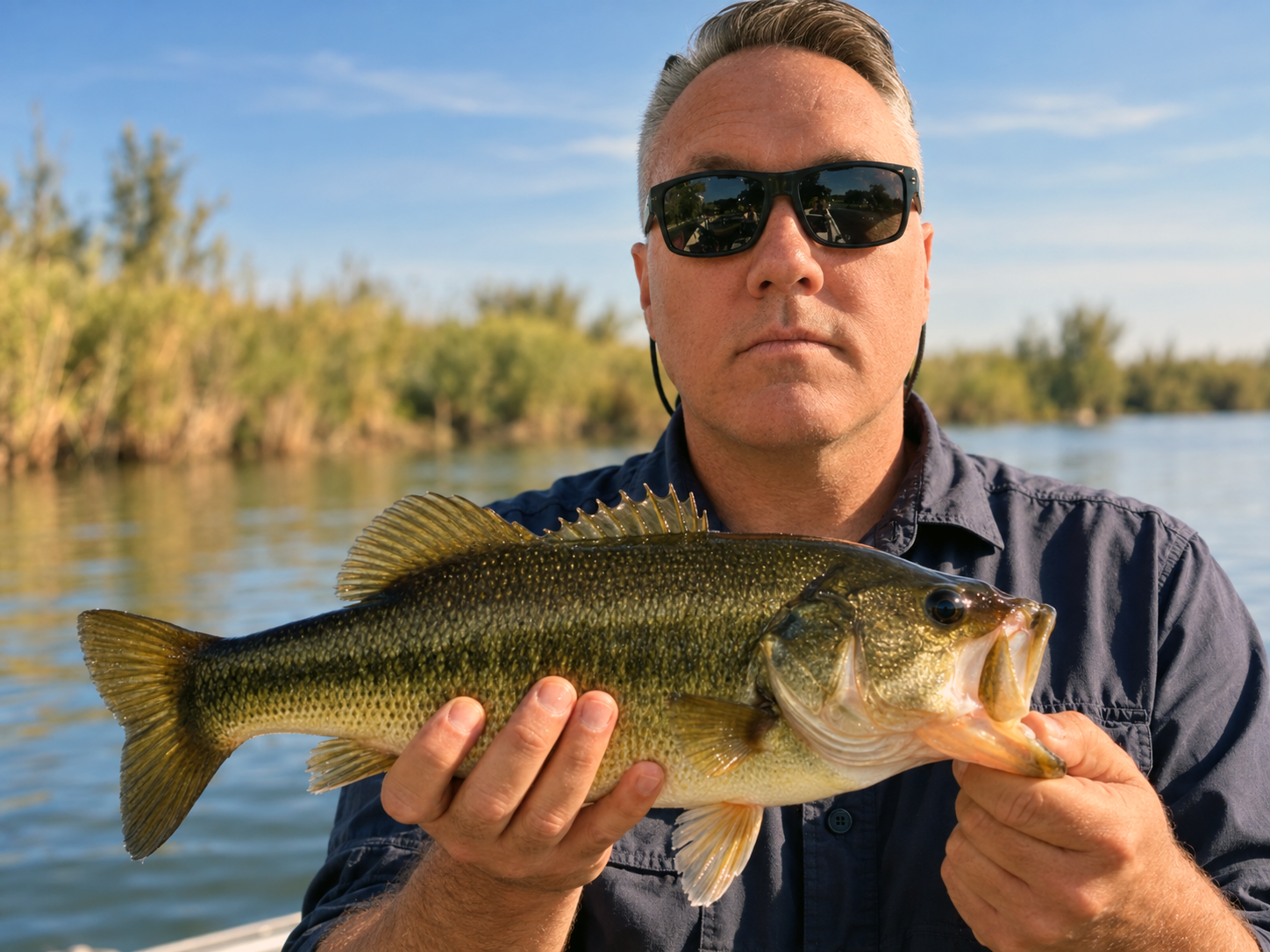
Largemouth Bass
Largemouth bass are one of the Delta’s signature gamefish. They can be found around vegetation, rocky shorelines, docks, fallen trees and other cover throughout the system. Seasonal conditions influence where bass hold and how anglers target them, making the Delta a fishery that rewards anglers who learn to read changing water and habitat.
Striped Bass & More
OTHER SPECIES
Largemouth aren’t the only gamefish in the Delta. Striped bass move through the system seasonally, while catfish, crappie, sunfish and other species add opportunities throughout the year. Knowing what’s in the water, when different fish are active and the regulations for each species can open up a lot more ways to fish the Delta.
Tips & Techniques
Fishing the Delta means learning to read the water. Vegetation, riprap, docks, current, depth and tidal movement can all influence where bass hold and how they feed. There’s no single Delta formula, so successful anglers adjust their approach as the water and conditions change.
-
Rocky banks and riprap provide structure and habitat throughout parts of the Delta. Work changes in depth, irregular sections of rock and areas where current interacts with the bank rather than treating every stretch of shoreline the same.
-
Aquatic vegetation and emergent shoreline cover give bass places to feed, hide and ambush prey. Pay attention to edges, openings, points and transitions in the vegetation, especially where other structure or moving water comes into play.
-
The Delta is tidal, so the water is constantly changing. Rising and falling tides alter water depth and current throughout the system. Checking the tide before you launch gives you important context for how the water will move during your day.
-
Bass behavior changes through the year. CDFW notes seasonal movements that can bring largemouth into shallower water during spring, deeper or shaded areas during summer, and increased feeding activity during fall. Use the season as a starting point, then adjust to the conditions you actually find.
-
The Delta supports a wide range of bass techniques, so versatility matters. CDFW lists soft plastics, spinnerbaits, crankbaits, jerkbaits and topwater among common approaches for black bass. Your tackle should ultimately match the cover, water and presentation you plan to fish.
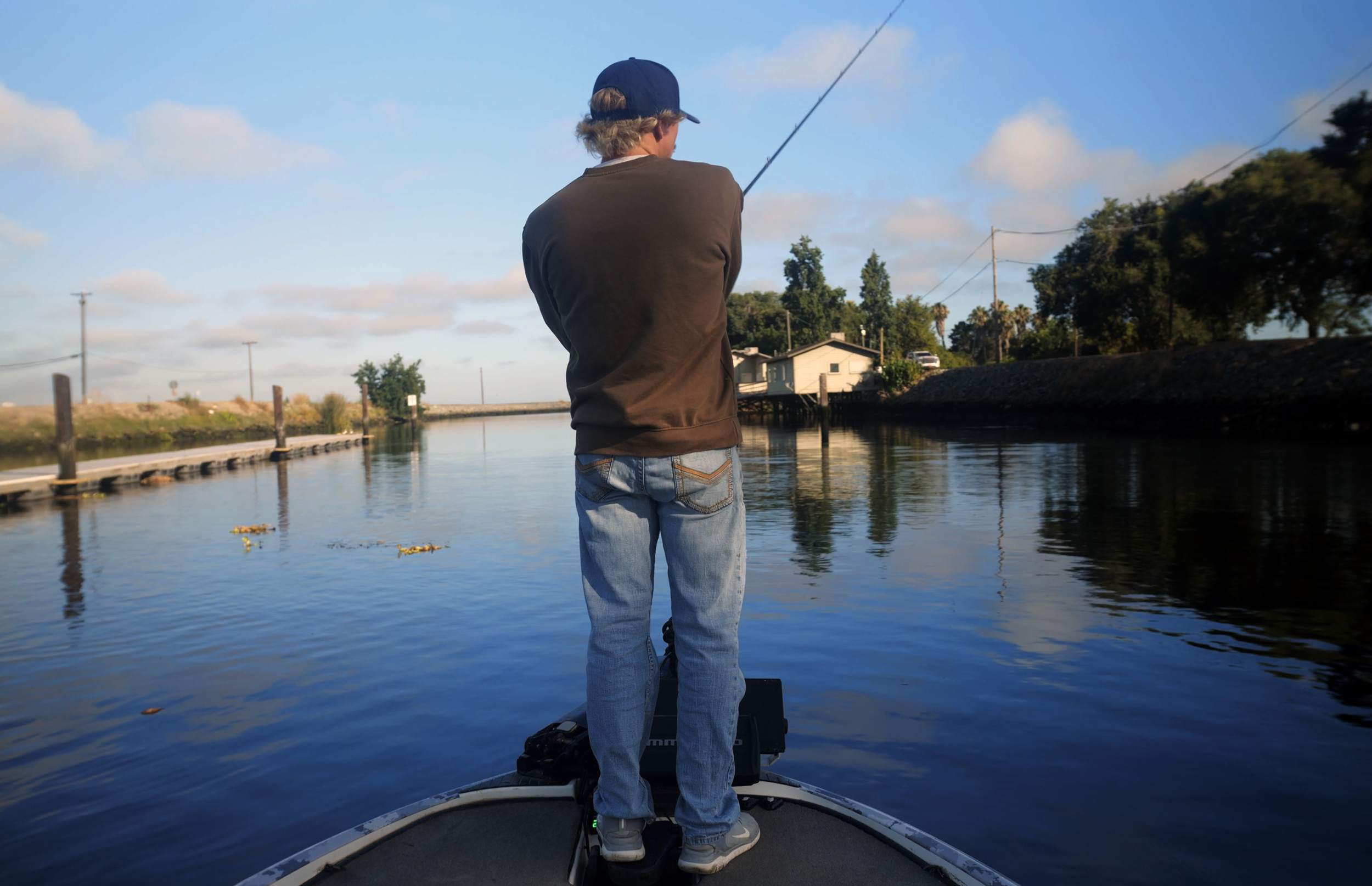
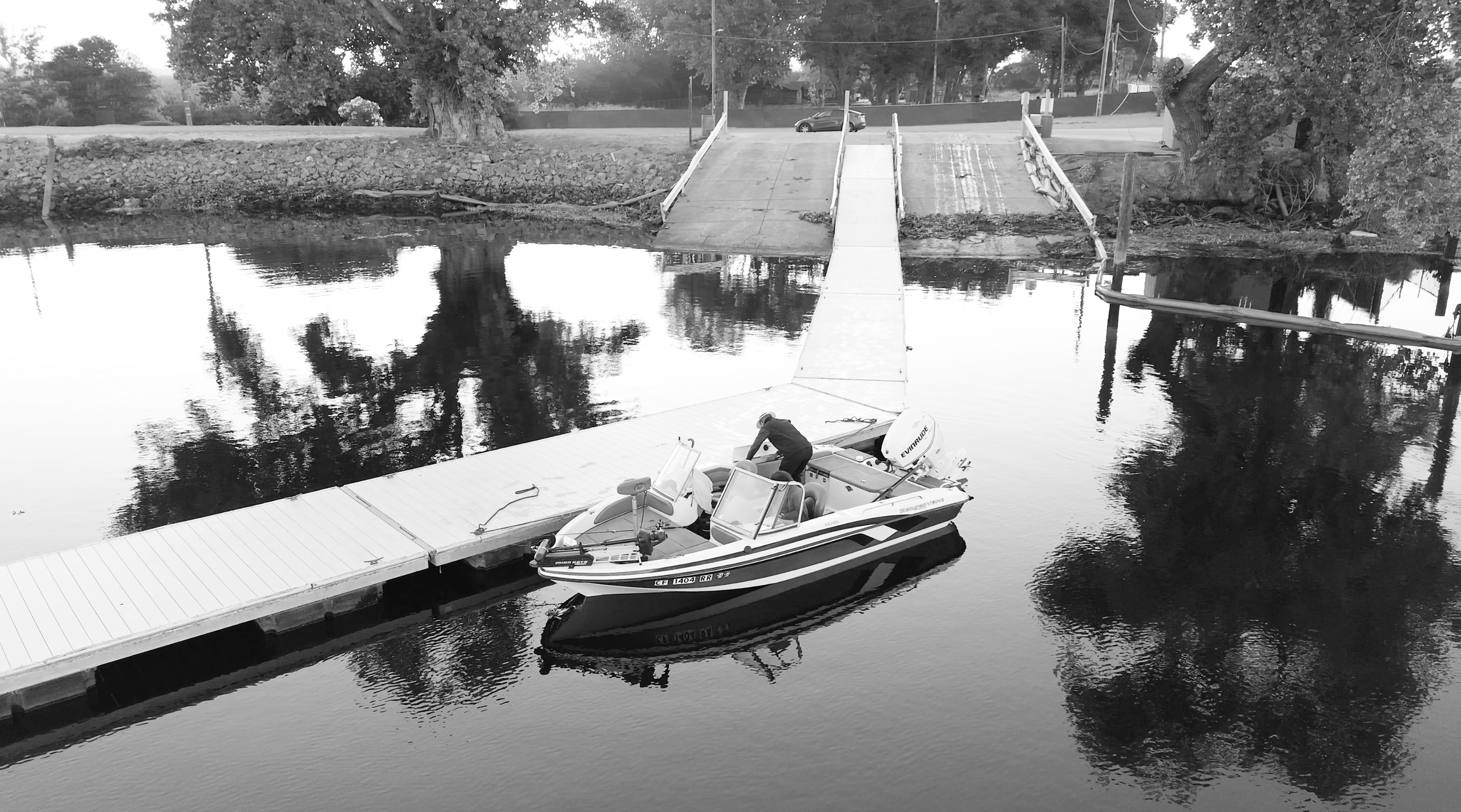
Launch, Stay, Fish
Launch from Whiskey Slough and make a day, weekend or longer trip out of fishing the Delta. With boat launch access, RV camping and marina services all in one place, you can spend less time getting situated and more time on the water.